


Hearing the words root canal often makes people nervous, even before they understand what the procedure actually involves. For years, root canals have been surrounded by myths about pain and discomfort, which has caused many patients to delay treatment longer than they should. In reality, modern dentistry has made root canal care predictable and comfortable, helping people save natural teeth rather than lose them. Understanding what a root canal truly is and why it has developed such a scary reputation can help replace fear with confidence and clarity.
Key Takeaways
-
A root canal is designed to relieve pain, not cause it.
-
The treatment removes infection from inside the tooth and protects long-term oral health.
-
Fear often comes from outdated information and misconceptions.
-
Modern techniques make root canal treatment much more comfortable than people expect.
-
Delaying treatment usually increases discomfort and risk of complications.
What Exactly Is a Root Canal?
A root canal is a dental procedure used to treat infection or inflammation inside a tooth. Beneath the enamel and dentin lies a soft tissue called the pulp, which contains nerves and blood vessels. When this tissue becomes infected due to decay, cracks, or trauma, the inside of the tooth can become extremely sensitive or painful.
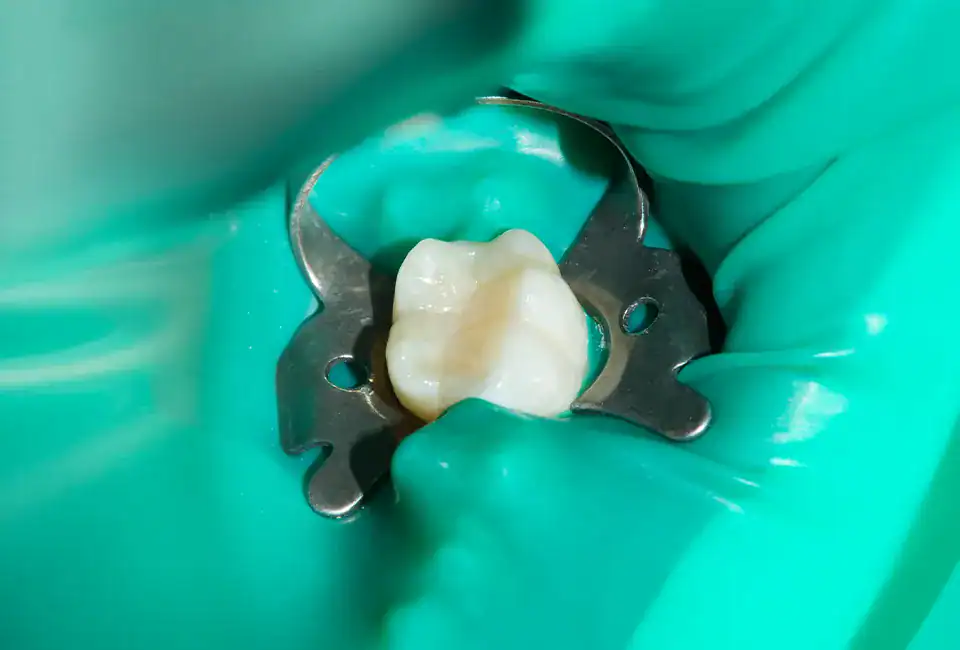
During treatment, the dentist removes the damaged pulp, cleans the inner canals, and seals the space to prevent future infection. The goal is not to remove the tooth but to preserve it. Saving the natural tooth helps maintain chewing function, jaw stability, and overall oral health over time.
Why Do People Fear Root Canals So Much?
Much of the fear surrounding root canals comes from stories passed down over decades. Historically, dental technology and anesthesia were less advanced, and older generations often associated the procedure with discomfort. Those experiences shaped a reputation that still exists today, even though modern care is very different.
Another reason for fear is the misunderstanding of pain itself. Many people believe the treatment causes pain, when in fact the infection inside the tooth is usually what hurts. The root canal is performed to eliminate that source of pain. Anxiety about dental visits in general can also amplify fears, making the idea of treatment feel more intimidating than it actually is.
What Does a Root Canal Feel Like?
One of the biggest surprises for patients is how normal a root canal appointment feels. Local anesthesia is used to numb the area thoroughly, so most people feel pressure or vibration rather than pain. Many patients compare the experience to receiving a filling.
After the procedure, mild soreness or sensitivity may occur for a few days as the tissues settle. This is usually manageable with routine care and tends to fade quickly. Most people report feeling better once the infection is removed, especially if they were experiencing significant pain beforehand.
Signs You Might Need a Root Canal
Root canal treatment is typically recommended when the pulp inside the tooth becomes infected or severely inflamed. Some symptoms develop gradually, while others appear suddenly. Warning signs can include:
- Persistent tooth pain or sensitivity to heat and cold
- Swelling, tenderness, or discoloration around a tooth
Not everyone experiences obvious symptoms, which is why routine exams and imaging are so important. Catching problems early often makes treatment simpler and helps prevent complications.
The Truth About Pain vs. Relief
One of the biggest myths is that root canals are extremely painful. In reality, the goal of the procedure is to remove the source of infection that is already causing discomfort. Many patients actually feel relief almost immediately after treatment because the inflamed nerve tissue has been removed.
Modern anesthetics, improved instruments, and advanced imaging allow dentists to work precisely and comfortably. This means the experience today is very different from what people may have heard years ago. For most patients, the anxiety before treatment is far worse than the procedure itself.
What Happens If You Avoid Treatment?
Fear sometimes leads people to postpone care, hoping the pain will go away on its own. Unfortunately, infections inside a tooth rarely heal without treatment. Instead, they often worsen, leading to increased pain, swelling, or even tooth loss.
Ignoring an infected tooth can also affect surrounding teeth and jawbone health. In some cases, infection may spread, requiring more extensive treatment later. Addressing the issue early with proper care helps preserve the tooth and prevent unnecessary complications.
How Dentists Help Reduce Anxiety
Dentists understand that root canals carry a strong emotional reaction for many patients. That is why modern care focuses not only on treatment but also on comfort and communication. Explaining each step, using gentle techniques, and allowing patients to ask questions helps reduce fear significantly.
Some patients benefit from relaxation strategies such as listening to music, practicing deep breathing, or scheduling appointments at times when they feel less rushed. Feeling informed and supported often changes the entire experience from stressful to manageable.
Frequently Asked Questions
Is a root canal painful?
Most patients experience little to no pain during treatment because the area is fully numbed.
How long does a root canal take?
Many root canals are completed in one visit, though some may require two, depending on the complexity.
Will I feel normal after treatment?
Mild soreness is common for a few days, but most people quickly return to normal activities.
Can a root canal fail?
Root canals have a high success rate, especially when followed by proper restoration and good oral hygiene.
Why not just remove the tooth?
Saving the natural tooth helps maintain chewing function and prevents the shifting of nearby teeth.
Understanding Root Canals Without the Fear
A root canal is one of the most misunderstood dental procedures, largely because of outdated myths and anxiety-driven stories. In reality, the treatment is designed to relieve pain, eliminate infection, and preserve your natural tooth for years to come. Modern dentistry has transformed the experience into a comfortable and predictable procedure that helps patients avoid larger oral health problems. When you understand how a root canal works and why it is recommended, it becomes easier to view it as a solution rather than something to fear. Education and early care are the keys to protecting your smile and keeping dental treatment as simple as possible.
If you want to learn more about root canals, visit our Root Canals in Camarillo page or schedule a consultation.