

Life gets busy, dentists get it. Between work, family, and errands, it’s easy to push routine appointments to the back burner. But when it comes to your oral health, skipping a teeth cleaning can cost more than just your time. Oral health professionals emphasize the importance of preventive care, and regular teeth cleanings are one of the most powerful tools in protecting your smile. Let’s break down why those twice-a-year visits matter more than you might think, and why skipping them could lead to bigger (and costlier) issues down the line.
Key Takeaways
- Professional dental cleanings remove plaque and tartar buildup that brushing and flossing can’t.
- Routine cleanings help catch problems like cavities or gum disease early, before they become painful and expensive.
- Skipping cleanings can lead to gum disease, tooth loss, bad breath, and systemic health issues.
- Dentists offers gentle, thorough dental cleanings in a spa-like setting to keep your oral health on track.
Table of contents
- Key Takeaways
- Why Are Teeth Cleanings So Important?
- The Hidden Risks of Skipping a Teeth Cleaning
- Can Teeth Cleanings Reverse Early Gum Disease?
- What Happens During a Cleaning?
- How Often Should You Get a Teeth Cleaning?
- The Long-Term Benefits of Staying on Track
Why Are Teeth Cleanings So Important?
Even if you brush twice a day and floss religiously, it’s still not enough to remove all the plaque and bacteria in your mouth. Over time, plaque hardens into tartar, a substance that can only be removed by a dental professional.
During a cleaning, your hygienist uses special tools to eliminate tartar from the surfaces of your teeth and below the gum line. This not only keeps your teeth bright and clean but also protects your gums from infection. Plus, your dentist will perform a checkup during the visit to look for early signs of decay, gum disease, oral cancer, or other issues.
The Hidden Risks of Skipping a Teeth Cleaning
- Gum Disease Can Sneak Up on You: Gum disease is incredibly common, and it often develops silently. Without routine cleanings, plaque and tartar buildup can cause your gums to become inflamed, bleed easily, and eventually pull away from your teeth. If left untreated, this can lead to tooth loss.
- Cavities Are Cheaper to Prevent Than Repair: Tiny cavities can be treated quickly with a small filling, but once they grow, you may need more involved treatments like root canals or crowns. Routine cleanings help spot cavities when they’re small (or even before they start), saving your smile and your wallet.
- Your Breath (and Confidence) Will Thank You: Persistent bad breath (halitosis) is often caused by tartar and bacteria that lurk in hard-to-reach places. A professional cleaning removes those culprits and leaves your mouth fresh and healthy.
- Your Whole Body Is Affected: Studies show that poor oral health is linked to serious systemic conditions like heart disease, stroke, diabetes, and respiratory illness. Gum inflammation can trigger chronic inflammation elsewhere in the body. A cleaning might be more important than you think, for your mouth and beyond.
Can Teeth Cleanings Reverse Early Gum Disease?
Yes, if caught early, gingivitis (the first stage of gum disease) is completely reversible. This is one of the biggest reasons not to delay your cleaning.
A professional cleaning removes plaque and tartar above and below the gumline, calming inflammation and helping gums reattach to teeth. A qualified dental team will also provide personalized guidance on how to improve at-home care to keep your gums healthy long-term.
If your dentist catches gum disease in the moderate to advanced stages, your dentist may recommend scaling and root planing, also known as deep cleaning, to remove bacteria trapped deep in the gum pockets.
What Happens During a Cleaning?
Dentists make your cleanings relaxing, efficient, and personalized. Here’s what you can expect:
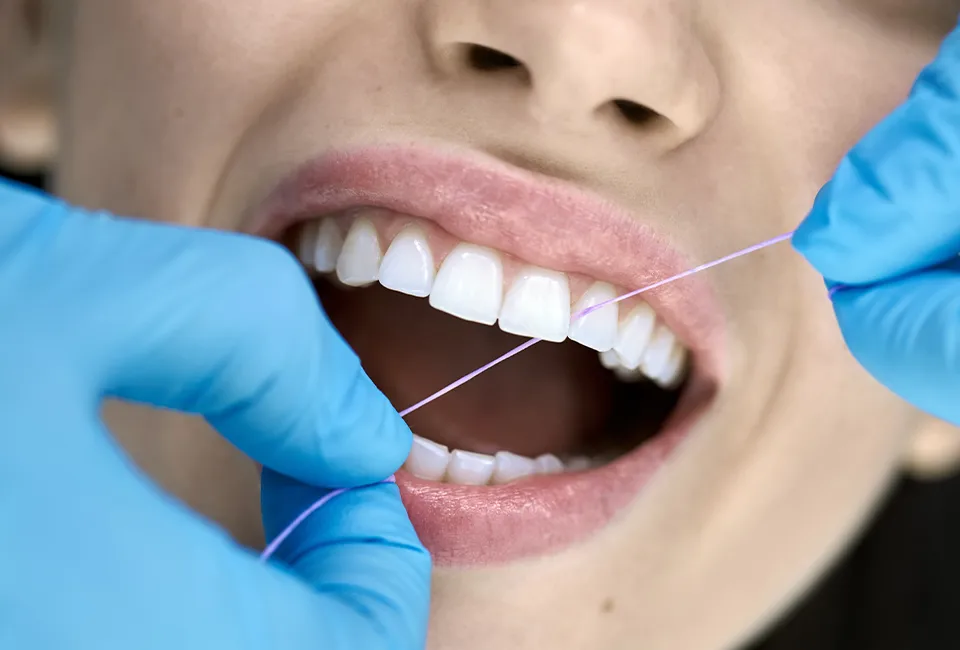
Your visit begins with a gentle but thorough cleaning by one experienced hygienist. They’ll remove tartar and plaque, polish your teeth, and floss between each tooth. Your dentist will then perform an oral exam, checking for signs of cavities, gum disease, oral cancer, and other concerns.
If it’s been a while since your last visit, oral health professionals may recommend additional deep cleaning (also called scaling and root planing) to treat early gum disease. But don’t worry, your dentist will walk you through every step and make sure you’re comfortable throughout.
How Often Should You Get a Teeth Cleaning?
For most patients, dentists recommend cleanings every six months. If you’re dealing with gum disease, diabetes, or other health conditions, your dentist may recommend more frequent cleanings, such as every 3–4 months, to keep your gums and body in balance.
The Long-Term Benefits of Staying on Track
Your future self will thank you for sticking to the schedule.
If you want to learn more about teeth cleanings, visit our Teeth Cleaning in Camarillo page or schedule a consultation.