

Worried about complications after your implant surgery? After receiving dental implants, preventing tooth implant problems becomes your top priority for ensuring successful healing and long-term success. With the right knowledge, careful attention to aftercare instructions, and partnership with an experienced team, you can enjoy your new implants for decades while avoiding common complications that sometimes arise during the healing process.
Key Takeaways
-
Proper oral hygiene and following post-surgery instructions are crucial for preventing complications and ensuring successful implant integration.
-
Avoiding hard foods, smoking, and excessive physical activity during healing helps protect your investment and promotes optimal recovery.
-
Regular follow-up appointments allow early detection and treatment of any potential issues before they become serious problems.
-
Signs of infection or implant failure should be addressed immediately by your dental team for the best possible outcomes.
-
Most implant complications are preventable with proper care, making patient education and compliance essential for long-term success.
What Are the Most Common Tooth Implant Problems?
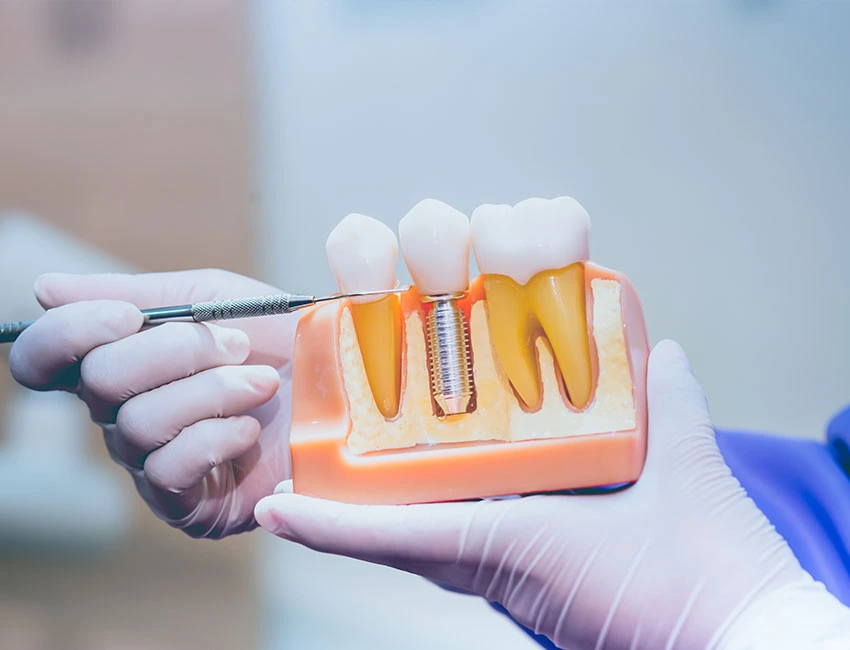
Understanding potential complications helps you recognize warning signs and take preventive action early in your recovery process. The most frequent issues include infection around the implant site, known as peri-implantitis, which can threaten the stability of your new tooth. Implant failure, where the titanium post doesn’t properly integrate with your jawbone, occurs in a small percentage of cases but can often be prevented with proper care. Mechanical problems such as loose crowns or abutments may develop over time, especially if you grind your teeth or experience trauma to the area.
How Can I Avoid Tooth Implant Problems During Healing?
The first few months after surgery are absolutely critical for preventing complications and ensuring your implants integrate successfully with your jawbone. Following your surgeon’s post-operative instructions precisely gives you the best chance for optimal healing and long-term success.
Dentists provide detailed aftercare guidance to help you navigate this important recovery period. Here are the essential steps for protecting your investment during the healing phase:
- Maintain gentle oral hygiene: Brush carefully around the implant site and use antimicrobial rinse as directed.
- Avoid hard or sticky foods: Stick to soft foods for the first few weeks to prevent pressure on healing tissues.
- Don’t smoke or use tobacco: These products significantly increase infection risk and impair healing processes.
- Take prescribed medications: Complete your antibiotic course and use pain relievers as directed by your dental team.
- Limit physical activity: Avoid strenuous exercise for the first week to prevent bleeding and swelling complications.
What Signs Should I Watch for After Surgery?
Being aware of potential warning signs helps you catch tooth implant problems early when they’re most treatable and manageable. While normal healing involves some discomfort, swelling, and minor bleeding, certain symptoms require immediate attention from your dental team.
- Severe worsening pain: Pain that increases after the first few days rather than gradually improving.
- Excessive bleeding: Bleeding that doesn’t respond to gentle pressure or continues beyond the expected timeframe.
- Infection signs: Fever, pus discharge, or foul odors coming from the implant site.
- Implant mobility: The post feels loose or moves when gently touched.
- Persistent complications: Numbness, tingling, or difficulty opening your mouth beyond normal healing timeline requires contacting your emergency dentist.
Frequently Asked Questions
What happens if I develop an infection around my implant?
Early intervention is key to treating infections successfully. Your dental team can provide targeted antibiotics and specialized cleaning to resolve the issue before it affects implant stability.
How often should I have my implants checked professionally?
Most patients benefit from professional evaluations every six months, though your specific needs may vary based on your oral health and risk factors.
Are there any activities I should avoid permanently with implants?
Avoid using your teeth as tools, chewing ice, or engaging in contact sports without proper mouth protection to prevent damage to your implants.
How to Maintain Your Implants for Long-Term Success
Preventing tooth implant problems requires ongoing commitment to proper care beyond the initial healing period. Daily care with soft-bristled toothbrushes, implant-safe toothpaste, and careful flossing keeps your implants healthy. Avoid using your teeth as tools or chewing hard objects like ice.
Regular professional teeth cleanings and dental exams allow early detection of potential issues before they become serious problems. Managing health conditions like diabetes and avoiding smoking significantly improves your chances of long-term implant success by supporting proper blood flow and healing capacity.
When to Contact Your Dental Team Immediately
Knowing when to seek immediate professional help can make the difference between a minor issue and a serious complication. Contact your dental team right away if you experience implant movement or looseness, as this may indicate integration failure. Persistent bad taste or odor from the implant site, along with swelling that worsens after the first week, requires prompt evaluation.
Other urgent signs include severe pain that doesn’t respond to prescribed medications, difficulty opening your mouth beyond normal healing expectations, or any discharge of pus from around the implant. Don’t wait for your next scheduled appointment if you notice these warning signs – early intervention often prevents the need for more extensive treatment later.
Protect Your Smile Investment with Proper Care
Taking excellent care of your new implants today means enjoying decades of confident smiles and worry-free eating tomorrow. At Smile Spa Camarillo Dentistry, we’re committed to supporting your success every step of the way, from initial surgery through decades of healthy function and beautiful smiles. Schedule your follow-up appointment and ensure your implants continue serving you well for years to come.
If you want to learn more about dental implants, visit our Dental Implants in Camarillo page or schedule a consultation.