

Table of Contents
A missing tooth can affect more than just your smile. Many people are surprised to learn that even a single gap can subtly change facial structure and overall appearance over time. Beyond aesthetics, tooth loss can influence how your lips are supported and how your face ages. Understanding these changes can help you make informed decisions, especially when considering long-term solutions like implants to restore both function and appearance.
Key Takeaways
- A missing tooth can affect facial structure and make features appear less supported.
- Bone loss after tooth loss may contribute to an older appearance.
- Changes in bite and alignment can impact overall facial balance.
- Early replacement helps maintain a more youthful look.
- Long-term solutions can support both aesthetics and oral health.
How a Missing Tooth Affects Facial Structure
Teeth play an important role in supporting the shape of your face. When a tooth is lost, that support begins to change, even if it is not immediately noticeable. The surrounding structures, including the jawbone and soft tissues, rely on teeth to maintain their position.
Over time, the absence of a tooth can lead to subtle shifts. The lips may appear less full, and the cheeks may begin to lose support. These changes can contribute to a slightly sunken or uneven appearance, which is often associated with aging.
The Link Between Tooth Loss and Bone Shrinkage
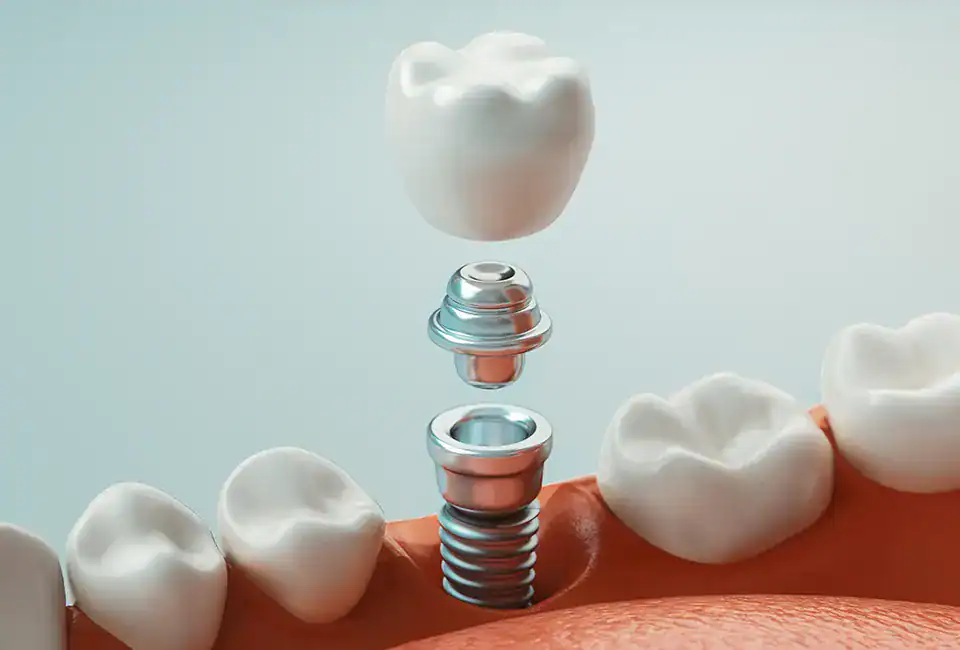
After a missing tooth, the jawbone in that area no longer receives stimulation from chewing. As a result, the bone may gradually shrink in a process known as resorption. This change happens slowly, but its effects can become more noticeable over time.
Bone loss can affect the overall structure of the face. As the jawbone becomes less dense, the lower portion of the face may appear shorter or less defined. This shift can contribute to an older appearance, even if other areas of the face remain unchanged.
Changes in Bite and Alignment
A missing tooth can also affect how your remaining teeth function. Teeth naturally shift toward open spaces, which can alter your bite and overall alignment. These changes may seem minor at first, but they can influence the balance of your smile.
As alignment changes, the way your teeth come together can impact facial symmetry. Uneven wear or shifting may contribute to subtle changes in how your jaw sits, which can affect both appearance and comfort over time.
Signs a Missing Tooth May Be Affecting Your Appearance
Not all changes are obvious right away. Many people notice gradual differences that develop over months or years. Recognizing these signs early can help you take steps to preserve your smile. Common signs include:
- A slightly sunken or hollow appearance near the cheeks
- Thinner-looking lips due to reduced support
- Shifting teeth or changes in spacing
- Subtle changes in facial symmetry
These changes often happen slowly, making them easy to overlook without regular dental evaluations.
How Tooth Replacement Helps Maintain a Youthful Look
Replacing a missing tooth can help restore both function and appearance. Solutions that mimic natural tooth structure can provide support to the surrounding bone and soft tissues. This helps maintain facial balance and prevent further changes.
By restoring the missing structure, tooth replacement can improve the appearance and feel of your smile. It can also help preserve the natural contours of your face, supporting a more youthful appearance over time.
Long-Term Impact of Delaying Treatment
Waiting to address a missing tooth can allow changes to progress. Bone loss, shifting teeth, and changes in facial structure may become more pronounced over time. While treatment is often still possible later, it may require additional steps depending on the extent of these changes.
Early planning helps preserve existing structures and simplifies the process. Addressing tooth loss sooner can support better long-term outcomes and reduce the likelihood of more complex interventions.
Frequently Asked Questions
Can one missing tooth really change my appearance?
Yes. Even a single missing tooth can affect facial support and alignment over time.
Does everyone experience bone loss after tooth loss?
Bone changes are common, although the rate and extent can vary from person to person.
Will replacing a tooth improve how I look?
Restoring a missing tooth can help improve facial balance and support a more natural appearance.
How quickly do changes happen after losing a tooth?
Some changes begin within months, while others develop gradually over years.
Is it too late to replace a missing tooth?
Not necessarily. Many options are still available, though additional preparation may be needed.
Addressing a Missing Tooth Early Can Help You Look Like Yourself Longer
A missing tooth may seem like a small issue at first, but the changes it causes beneath the surface can gradually affect how your face looks and feels. Loss of support, shifting teeth, and bone changes all contribute to a less balanced appearance over time. Taking action early helps preserve your natural features and prevents those subtle signs of aging from becoming more noticeable later.
If you want to learn more about dental implants, visit our Dental Implants in Camarillo page or schedule a consultation.