

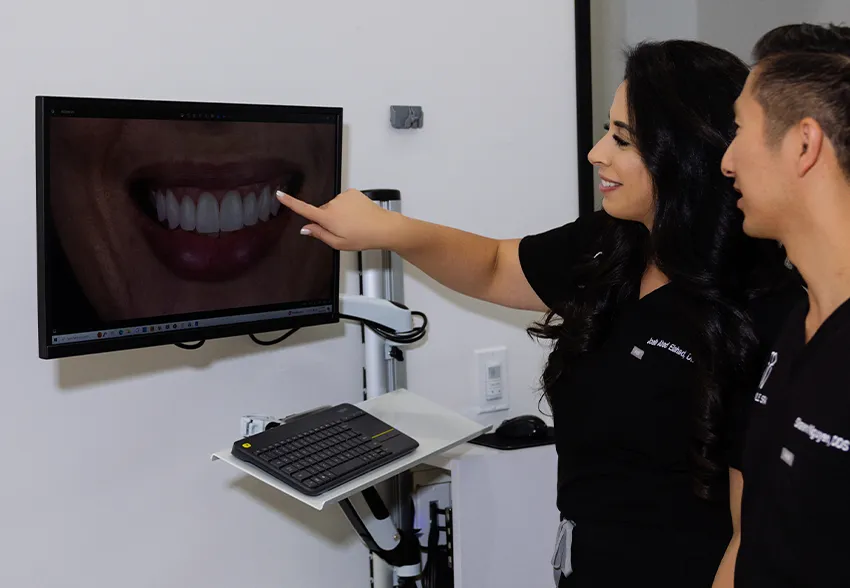
Many people considering veneers ask the same question: do veneers hurt? It is a reasonable concern because any dental procedure involving your teeth can sound intimidating at first. The reality is that veneers are designed to improve your smile with minimal discomfort, and most patients describe the process as far easier than expected. Understanding what sensations are normal before, during, and after treatment can help you feel more confident if you are exploring options like veneers to enhance your smile.
Key Takeaways
-
Most patients experience little to no pain during veneer placement.
-
A local anesthetic is commonly used to keep you comfortable.
-
Mild sensitivity is normal for a short period after treatment.
-
Severe or long-lasting pain is uncommon and should be evaluated.
-
Knowing what to expect helps reduce anxiety about the process.
Why People Worry About Pain With Veneers
Dental procedures often come with fears about discomfort, especially when teeth are being reshaped or altered. Veneers involve preparing the front surface of the tooth so the thin porcelain or composite shell can bond properly. Hearing this description sometimes makes people imagine pain or long recovery periods, even though the process is usually gentle and controlled.
It is also common for patients to compare veneers to more invasive treatments. Unlike extractions or surgical procedures, veneers focus on the outer tooth surface and typically do not involve deep tissue work. This difference is one reason discomfort levels are generally mild for most people.
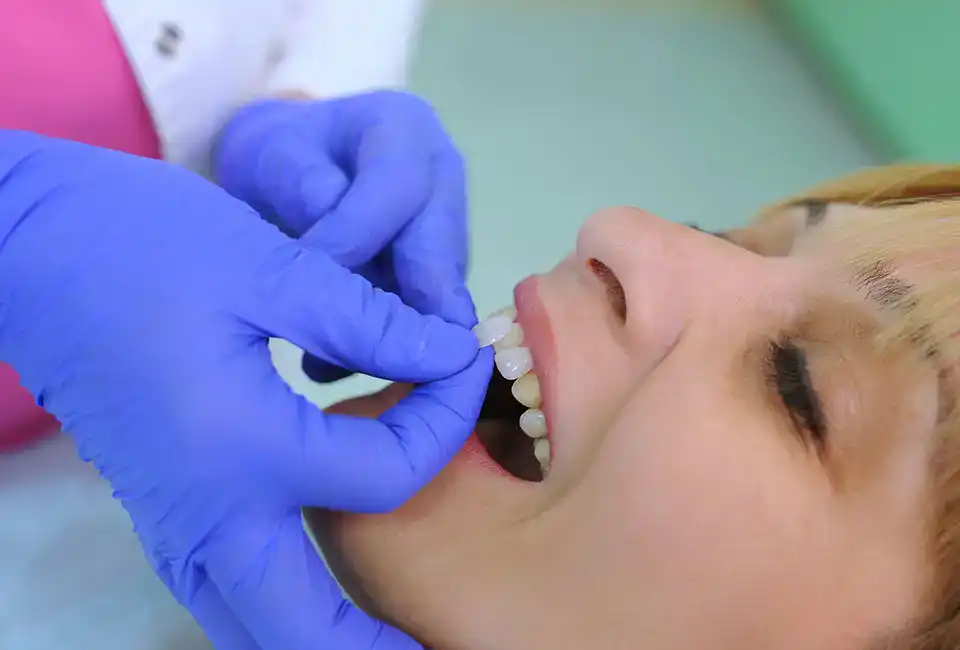
Do Veneers Hurt During the Procedure?
During the preparation stage, your dentist usually numbs the area with local anesthesia. This helps ensure you feel pressure or vibration rather than pain while a small amount of enamel is shaped. Many patients are surprised by how quick and comfortable this step feels once their teeth are numb.
You may notice sensations such as light tapping, water spray, or mild pressure, but sharp pain is not expected. Some patients even describe the appointment as similar to getting a routine filling. The goal is to keep you relaxed and comfortable throughout the process while ensuring the veneers fit naturally.
What to Expect Immediately After Veneers
Once the numbness fades, mild sensitivity is common. Teeth may feel slightly tender when exposed to hot or cold foods because the enamel layer has been adjusted. This sensitivity usually improves within a few days as the teeth adapt.
Temporary veneers, if used, may also feel slightly different at first. Your bite may need a short adjustment period, and you might notice minor soreness from keeping your mouth open during the appointment. These sensations are typically short lived and manageable without major disruption to daily life.
Common Types of Discomfort (And Why They Happen)
Most discomfort associated with veneers comes from adjustment rather than injury. Your teeth and surrounding tissues simply need time to adapt to the new shape and thickness. Some people notice light gum tenderness if the gums were slightly irritated during placement. Common temporary sensations include:
- Mild temperature sensitivity when eating or drinking
- Slight pressure or awareness when biting down
These experiences usually fade quickly as your mouth adjusts. If sensitivity continues beyond a few weeks, a dentist may check the bite or bonding to ensure everything fits correctly.
When Pain Is Not Normal
While mild soreness is expected, severe or persistent pain is uncommon. If you experience ongoing throbbing, sharp pain, or discomfort that worsens instead of improving, it may signal another underlying issue, such as bite imbalance or untreated decay beneath the veneer.
Dentists carefully evaluate tooth health before placing veneers to reduce these risks. Still, every mouth is different, and follow-up adjustments are sometimes needed. The good news is that most problems can be corrected quickly once identified.
How to Reduce Discomfort During Recovery
Simple habits can help you stay comfortable during the first few days. Choosing softer foods temporarily, avoiding extreme temperatures, and brushing gently can minimize sensitivity while your teeth adjust. Staying consistent with oral hygiene also helps prevent gum irritation.
Some people find that switching to a toothpaste designed for sensitive teeth provides additional comfort. Within a short time, eating and speaking typically feel completely normal, and most patients no longer notice the veneers at all.
Frequently Asked Questions
Do veneers hurt when they are put on?
No. Local anesthesia is typically used, so you should not feel pain during placement.
How long does sensitivity last after veneers?
Most sensitivity improves within a few days to two weeks, depending on individual sensitivity levels.
Is getting veneers more painful than fillings?
Many patients say veneers feel similar to or easier than getting a filling.
Do veneers hurt years later?
Veneers themselves should not cause pain. New discomfort later usually indicates another dental issue that needs evaluation.
Can I eat normally right after veneers?
Yes, though softer foods may feel more comfortable during the initial adjustment period.
The Truth About Veneers and Pain
So, do veneers hurt? For most people, the answer is no, or only minimally. The procedure is designed to be comfortable, and any sensitivity afterward is usually temporary and manageable. Understanding what is normal helps reduce unnecessary worry and allows you to focus on the long-term benefits veneers provide.
If you want to learn more about veneers, visit our Veneers in Camarillo page or schedule a consultation.