


Table of Contents
Brushing daily, but still noticing teeth yellow in the mirror? You are not imagining it. Tooth color is influenced by more than surface plaque, including the thickness of enamel, the color of the underlying dentin, and the types of stains that build up over time. Brushing is essential, but it does not change every type of discoloration. If brightness is a goal, your dentist can help you sort out the cause and whether options like professional Zoom! teeth whitening make sense for your situation.
Key Takeaways
-
Teeth can look more yellow as enamel thins and more yellowish dentin shows through.
-
Many stains are extrinsic (on the surface) from foods, drinks, or tobacco, and brushing helps most with these.
-
Some discoloration is intrinsic (within the tooth) and will not respond much to whitening toothpastes.
-
Tartar can look yellow and cannot be removed by brushing alone once it hardens.
-
A dental exam can help identify whether discoloration is stain, tartar, enamel wear, or something else, and guide safe next steps.
-
Could Your Brushing Routine Be Missing The Spots That Stain?
-
Is Tartar Making Teeth Look Yellow Even With Daily Brushing?
Why Are Teeth Yellow Even Though You Brush Every Day?
Daily brushing mainly removes plaque and helps reduce surface stains, but tooth color is not only on the surface. As you age, enamel can wear down and become thinner, allowing more of the yellow-colored dentin underneath to show through. That means teeth may look more yellow even when your brushing habits are solid.
There is also the difference between stain types. The American Dental Association describes extrinsic stains as surface stains that can often be improved with mechanical cleaning (like brushing or a professional cleaning), while intrinsic discoloration is related to the tooth’s internal color and is not significantly changed by products that only remove surface stain.
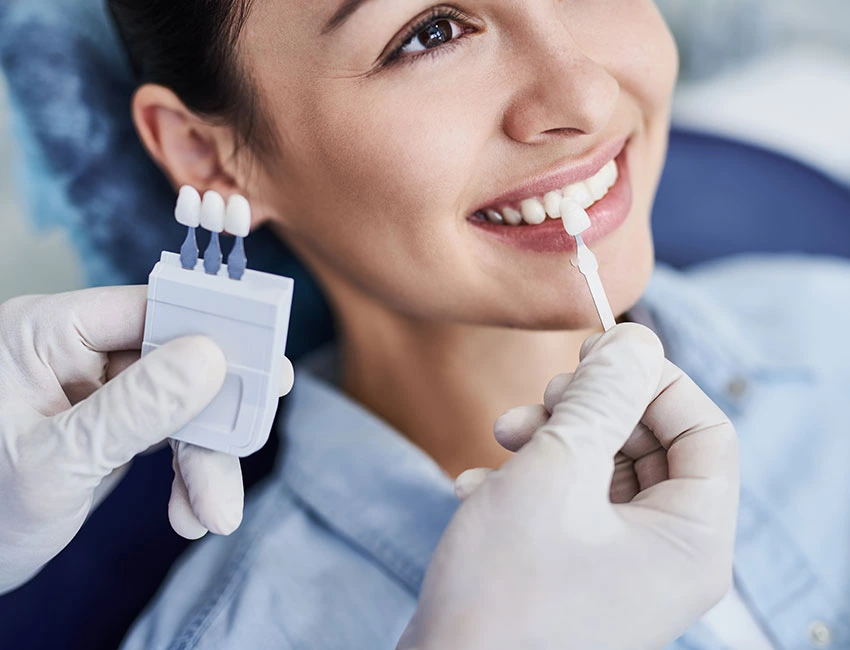
Common Reasons Teeth Look More Yellow Over Time
There is usually not one single cause. First, it is common for more than one factor to be happening at the same time. Second, the right fix depends on whether the discoloration is mostly stain, tartar, enamel thinning, or a combination.
- Enamel Thinning With Age Or Wear: Thinner enamel makes the underlying dentin more visible, which can look more yellow.
- Staining From Food, Drinks, or Tobacco: Extrinsic stains build on enamel and can darken tooth appearance even with daily brushing.
- Tartar Buildup: Plaque that is not fully removed can harden into tartar, which may appear yellow and typically requires professional removal.
- Natural Tooth Shade and Genetics: Tooth color and translucency vary, and some shades naturally look more yellow than others.
- Certain Medications or Health Factors: Some discoloration is intrinsic and may not respond to surface-focused whitening products.
Could Your Brushing Routine Be Missing The Spots That Stain?
Even when you brush every day, technique matters. Areas that frequently hold stain include along the gumline, behind the lower front teeth, and around dental work where plaque can collect. Many extrinsic stains can be reduced with mechanical interventions such as brushing and professional prophylaxis, which is another way of saying technique and thoroughness matter. It is also possible to overdo it. Scrubbing hard does not equal cleaner, and overly aggressive brushing can contribute to enamel wear over time. When enamel thins, teeth can look more yellow because dentin shows through.
Is Tartar Making Teeth Look Yellow Even With Daily Brushing?
Yes, and this one surprises people. Tartar is hardened plaque that cannot be brushed off once it forms. Tartar is hardened plaque buildup, and it can give teeth a yellow appearance. It is typically removed by a dental professional rather than by at-home brushing. Tartar is something that can stain and build up in ways that brushing alone cannot reverse. If your yellowing seems concentrated near the gumline or on the inner surfaces of the lower teeth, tartar is one possibility your dentist may check for during a routine exam and cleaning.
Do Whitening Toothpastes Actually Work?
They can help, but mainly for surface stains. Many over-the-counter whitening products are effective primarily in removing extrinsic stains on enamel and will not significantly change intrinsic discoloration or the tooth’s internal color. This is why someone can brush daily with whitening toothpaste and still feel like the shade does not change much. In practical terms, whitening toothpaste can be useful for maintenance and mild surface stains, but it is not designed to override enamel thickness or deeper discoloration.
What Can You Do If You Want A Brighter Shade?
Start with clarity on the cause. If staining is the main issue, consistent cleaning habits and routine dental cleanings are often the baseline. If the issue is largely intrinsic color or enamel thinning, the approach may be different, and expectations should be realistic.
For people who want a meaningful change beyond surface stain removal, professional teeth whitening is one option dentists may discuss, since it can be tailored to your tooth condition and sensitivity history. Surface-stain-focused products have limits, which is why an exam and a discussion about goals can be helpful before choosing a whitening path.
A Better Way To Think About Yellow Teeth
Brushing every day is still doing its job: reducing plaque, supporting gum health, and helping with surface stains. But if you are seeing teeth yellow despite good habits, it is often a sign that the color story includes enamel thickness, dentin color, tartar, or stain type, not just cleanliness. A dental exam can identify what is driving the shade, and if brightness is a priority, you can ask whether professional teeth whitening is appropriate for your goals and your enamel.
If you want to learn more about teeth whitening, visit our Teeth Whitening in Camarillo page or schedule a consultation.