

Waking up with a sore jaw or tension headaches? Sleep bruxism, or nighttime teeth grinding, affects many people, often without their knowledge until discomfort arises or a dentist finds wear during an exam. Causes vary, but the goal remains to reduce triggers, protect dental structures, and ease jaw strain for better sleep. Treatments include night guards, lifestyle changes, and options like Botox for those who don’t respond to traditional methods. Addressing bruxism early also supports periodontal health by minimizing forces that can harm gum tissue and tooth stability.
Key Takeaways
-
Grinding or clenching during sleep can result in jaw soreness, headaches, heightened tooth sensitivity, and visible enamel erosion over time.
-
Stress and anxiety are frequently associated with bruxism, though sleep disturbances and certain medications may also contribute.
-
Sleep bruxism has been linked to sleep-disordered breathing conditions, including obstructive sleep apnea, making persistent symptoms worth investigating.
-
A night guard or occlusal splint can help shield teeth from damage, even when it does not completely eliminate the clenching behavior.
-
Refining sleep habits and minimizing daytime jaw tension can help reduce nighttime muscle activity for some individuals.
-
Should You Consider Screening For Sleep Apnea Or Other Sleep Disorders?
What Is Bruxism, And How Does It Differ From Clenching?
Bruxism refers to the involuntary grinding, gnashing, or clenching of teeth. It can occur during waking hours or while asleep, with sleep bruxism proving more difficult to detect because it happens unconsciously.
Clenching generally involves sustained contraction of the jaw muscles, whereas grinding typically includes lateral tooth-to-tooth movement. Both behaviors place strain on the jaw musculature and exert pressure on teeth and existing dental restorations.
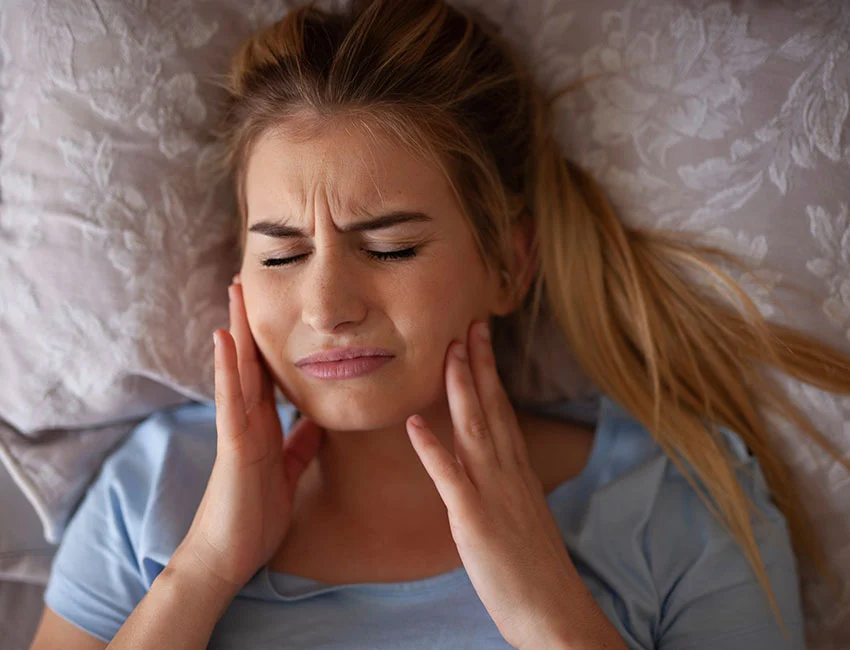
Why Does Nighttime Teeth Grinding Occur?
A single definitive cause is rarely identified. Sleep bruxism is commonly characterized as multifactorial, meaning multiple elements may contribute simultaneously. Frequently cited contributors include:
- Stress and Anxiety: Emotional tension is consistently associated with increased clenching and grinding activity.
- Sleep Disruption: Compromised sleep quality or underlying sleep disorders have been linked to bruxism in certain individuals.
- Medications and Substances: Specific pharmaceuticals and stimulants may elevate risk among susceptible people.
- Airway and Breathing Factors: Research indicates an association between bruxism and obstructive sleep apnea in some cases.
Because triggers differ from person to person, the most productive approach often involves identifying patterns: when symptoms intensify, what provides relief, and whether concurrent sleep issues exist.
What Are The Indicators That You May Be Grinding At Night?
Some individuals discover their grinding only after a sleep partner reports hearing it. Others recognize symptoms first. Common indicators include jaw soreness upon waking, morning headaches concentrated around the temples, increased tooth sensitivity, teeth that appear flattened or chipped, and discomfort near the temporomandibular joint.
If you consistently wake with headaches, jaw fatigue, or facial tightness, these observations provide valuable insight—particularly when they persist over weeks rather than isolated days.
What Home Strategies Can Help Reduce Nighttime Grinding?
Begin with foundational adjustments: bruxism frequently responds well to modest, consistent modifications that decrease jaw tension and enhance sleep quality. Concentrate on habits within your control rather than searching for a singular perfect solution.
- Establish A Wind-Down Routine: A calming pre-sleep ritual—dimmed lighting, quiet activities, a consistent bedtime—can help reduce the physiological arousal that may intensify clenching.
- Limit Stimulants Later In The Day: Reducing caffeine and nicotine intake during afternoon and evening hours can decrease restlessness and muscular tension for many people.
- Practice Gentle Jaw Relaxation Before Bed: Applying a warm compress to the jaw, performing light stretching exercises, or engaging in slow, deliberate breathing can ease muscle tightness for some individuals.
These approaches carry minimal risk and can help you discern which factors influence your symptoms, even if they do not eliminate grinding entirely.
When Does A Night Guard Provide Benefit?
A night guard, sometimes referred to as an occlusal splint, is commonly prescribed to protect teeth from the forces generated by grinding and clenching. It may reduce enamel wear and relieve strain for certain individuals, though it does not always halt the underlying behavior.
If you already have cracked teeth, worn edges, dental crowns, or frequent jaw discomfort, protective appliances can play a crucial role in preventing further damage while you address contributing factors such as stress and sleep quality.
Should You Consider Screening For Sleep Apnea Or Other Sleep Disorders?
If you experience loud snoring, gasping episodes during sleep, pronounced daytime fatigue, or recurring morning headaches, discussing evaluation for sleep-disordered breathing with a healthcare provider may prove worthwhile. Bruxism has been associated with sleep-related conditions such as obstructive sleep apnea.
The intent is not to presume sleep apnea is responsible, but rather to ensure it is not overlooked—since addressing breathing-related sleep disruption can fundamentally alter outcomes for some patients.
What Can A Healthcare Provider Do When Symptoms Persist?
Clinical evaluation typically begins with a comprehensive symptom history and dental examination to assess wear patterns, fractures, gum recession, and jaw tenderness. Diagnosis may involve reviewing symptoms in detail, examining dental structures and jaw function, and discussing relevant factors, including stress levels, sleep habits, and current medications.
Building A Long-Term Strategy For Relief
Nighttime bruxism can be challenging, but recognizing patterns and taking preventive measures can help. Establishing calming sleep routines, minimizing jaw strain during the day, and using appropriate tooth protection can lead to improvements. For those who still face difficulties, discussing Botox for clenching and grinding with a qualified provider may be beneficial, as it can reduce muscle activity. Additionally, maintaining consistent periodontal care helps keep your teeth and gums healthy, giving you greater control over your symptoms.
If you want to learn more about Botox for clenching and grinding, visit our Botox for Clenching and Grinding in Camarillo page or schedule a consultation.